• Our History
    • Mission Statement
    • Standards
    • FAQs
    • Test Development
    • CERTIFICATION vs. Certificate
    • What We Are Doing
    • Take our Survey
    • Privacy and Cookie Policy
    • Our Certifications
    • CAC™ - Caregivers
    • CAEd™ - Educators
    • CRTS™ - Certified Relocation and Transition Specialist™
    • Online Applications
    • Why is Certification Important?
    • CERTIFICATION vs. Certificate
    • Best Practices
    • Certification Renewal
    • Take our Survey
    • About Our Education
    • For Caregivers
    • For Educators
    • Senior Relocation Training Program
    • Take our Survey
    • Newsletters
    • NCBAC™ on Twitter
    • Remote Proctoring Process
  • Survey
  • Contact Us
Menu

NCBAC™ National Certification Board for Alzheimer & Aging Care™

3170 North Sheridan Road
Chicago, IL, 60657
Phone Number

Your Custom Text Here

NCBAC™ National Certification Board for Alzheimer & Aging Care™

  • About
    • Our History
    • Mission Statement
    • Standards
    • FAQs
    • Test Development
    • CERTIFICATION vs. Certificate
    • What We Are Doing
    • Take our Survey
    • Privacy and Cookie Policy
  • Certifications
    • Our Certifications
    • CAC™ - Caregivers
    • CAEd™ - Educators
    • CRTS™ - Certified Relocation and Transition Specialist™
    • Online Applications
    • Why is Certification Important?
    • CERTIFICATION vs. Certificate
    • Best Practices
    • Certification Renewal
    • Take our Survey
  • Education/Training
    • About Our Education
    • For Caregivers
    • For Educators
    • Senior Relocation Training Program
    • Take our Survey
  • Resources
    • Newsletters
    • NCBAC™ on Twitter
    • Remote Proctoring Process
  • Survey
  • Contact Us

April 2026 Newsletter for Caregivers & Educators

April 16, 2026 Jennifer Buchanan

Welcome to the April newsletter!

Ten Tips for Communicating with a Person with Dementia

We aren’t born knowing how to communicate with a person with dementia—but we can learn. Improving your communication skills will help make caregiving less stressful and will likely improve the quality of your relationship with your loved one. Good communication skills will also enhance your ability to handle the difficult behavior you may encounter as you care for a person with a dementing illness.

Read the Article

Do’s and Don’ts: Communicating With a Person Who Has Alzheimer’s Disease

People with Alzheimer’s disease may have trouble finding the right words or remembering what they want to say. This can make communication difficult. Use the tips below to better communicate with a person who has Alzheimer’s.
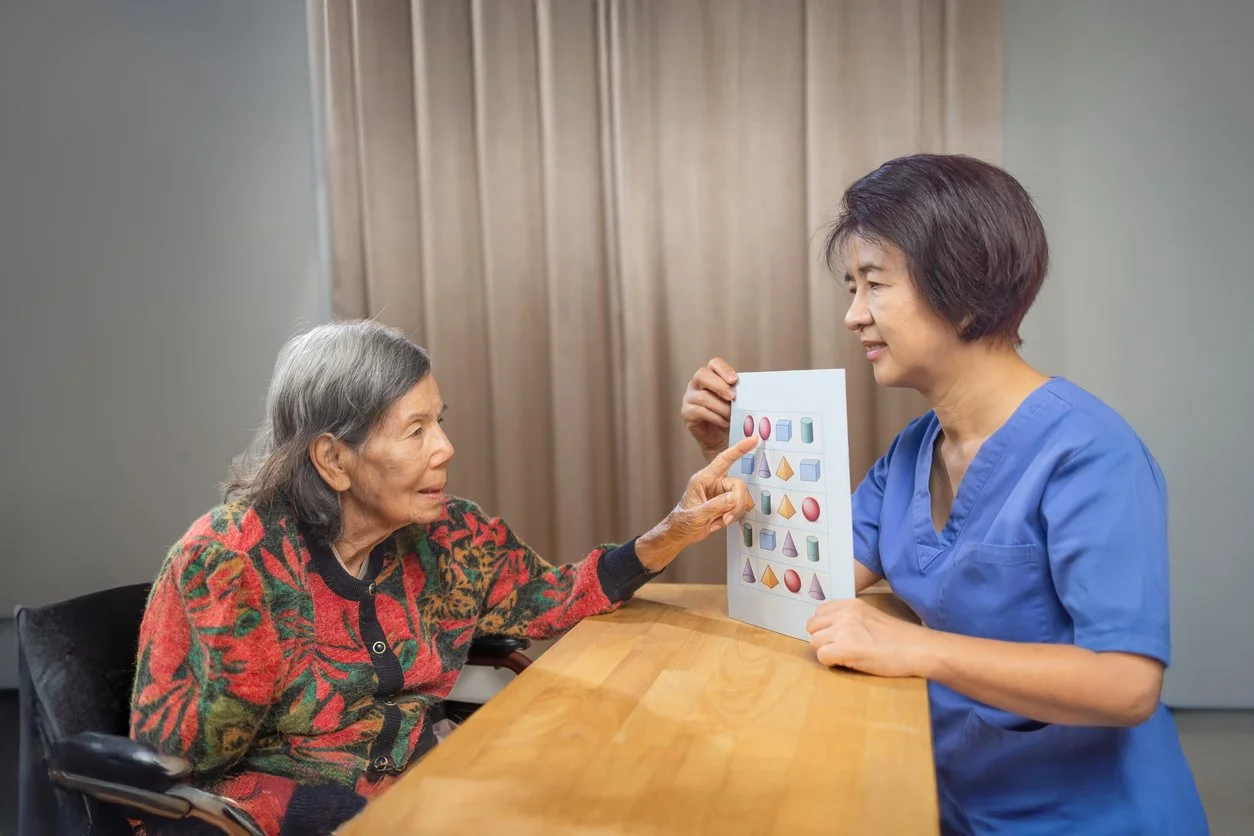
Read the Article

Communicating with people living with dementia

Understand how dementia affects communication and learn some useful tips and strategies for your conversations with people living with dementia as they progress through the stages of the disease.

Communication is a vital part of our lives. It allows us to express who we are and relate to one another. Communication is more than talking and listening – it involves understanding and interpreting.

Read the Article

Link to CEU Quiz

March 2026 Newsletter for Caregivers & Educators →
Summary Block
This block is invalid. Please check the block settings and try again.
Featured
Aenean eu leo Quam

Better Care Through Understanding

NOTICE: The Certifications conferred by the NCBAC® (Certified Alzheimer Caregiver (CAC)® and Certified Alzheimer Educator® CAEd® are important indicators of quality care. The NCBAC® does not license, approve nor bestow authorization to anyone the right to practice healthcare where such license or certification is regulated by any state, municipality or other government entity.

© 2005-2026 National Certification Board for Alzheimer Care (NCBAC®)
South Bend, IN