• Our History
    • Mission Statement
    • Standards
    • FAQs
    • Test Development
    • CERTIFICATION vs. Certificate
    • What We Are Doing
    • Take our Survey
    • Privacy and Cookie Policy
    • Our Certifications
    • CAC™ - Caregivers
    • CAEd™ - Educators
    • CRTS™ - Certified Relocation and Transition Specialist™
    • Online Applications
    • Why is Certification Important?
    • CERTIFICATION vs. Certificate
    • Best Practices
    • Certification Renewal
    • Take our Survey
    • About Our Education
    • For Caregivers
    • For Educators
    • Senior Relocation Training Program
    • Take our Survey
    • Newsletters
    • NCBAC™ on Twitter
    • Remote Proctoring Process
  • Survey
  • Contact Us
Menu

NCBAC™ National Certification Board for Alzheimer & Aging Care™

3170 North Sheridan Road
Chicago, IL, 60657
Phone Number

Your Custom Text Here

NCBAC™ National Certification Board for Alzheimer & Aging Care™

  • About
    • Our History
    • Mission Statement
    • Standards
    • FAQs
    • Test Development
    • CERTIFICATION vs. Certificate
    • What We Are Doing
    • Take our Survey
    • Privacy and Cookie Policy
  • Certifications
    • Our Certifications
    • CAC™ - Caregivers
    • CAEd™ - Educators
    • CRTS™ - Certified Relocation and Transition Specialist™
    • Online Applications
    • Why is Certification Important?
    • CERTIFICATION vs. Certificate
    • Best Practices
    • Certification Renewal
    • Take our Survey
  • Education/Training
    • About Our Education
    • For Caregivers
    • For Educators
    • Senior Relocation Training Program
    • Take our Survey
  • Resources
    • Newsletters
    • NCBAC™ on Twitter
    • Remote Proctoring Process
  • Survey
  • Contact Us

March 2026 Newsletter for Caregivers & Educators

March 26, 2026 Jennifer Buchanan

Welcome to the March newsletter!
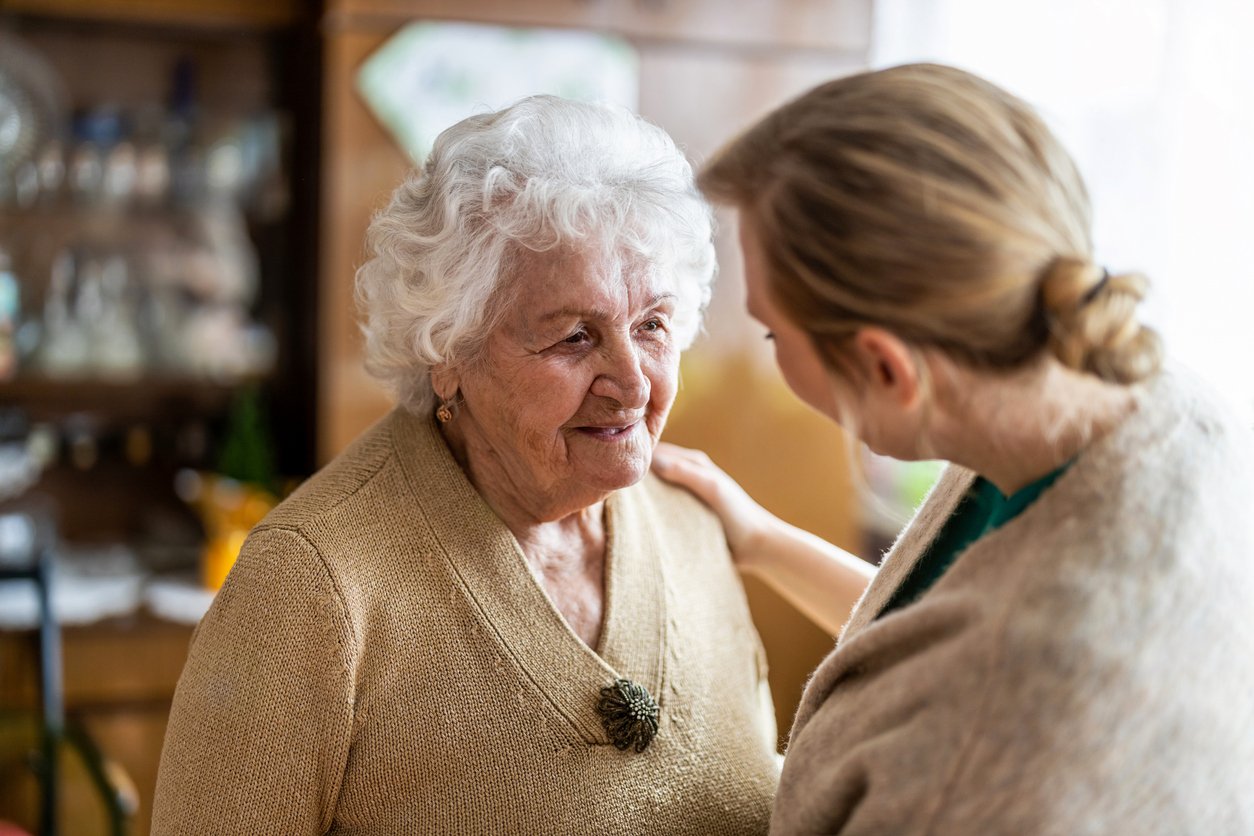
Bridging the gap: Dementia communication strategies

It's so routine that Katherine Lyman can easily summon the scenario: flanked by a family member, a dementia patient walks into her office and effectively becomes invisible, her thoughts deemed irrelevant. "Don't bother asking her any questions," the relative tells Lyman, a geriatric nurse practitioner at Harvard-affiliated Beth Israel Deaconess Medical Center. "You're not going to get the answers you need."
Read the Article

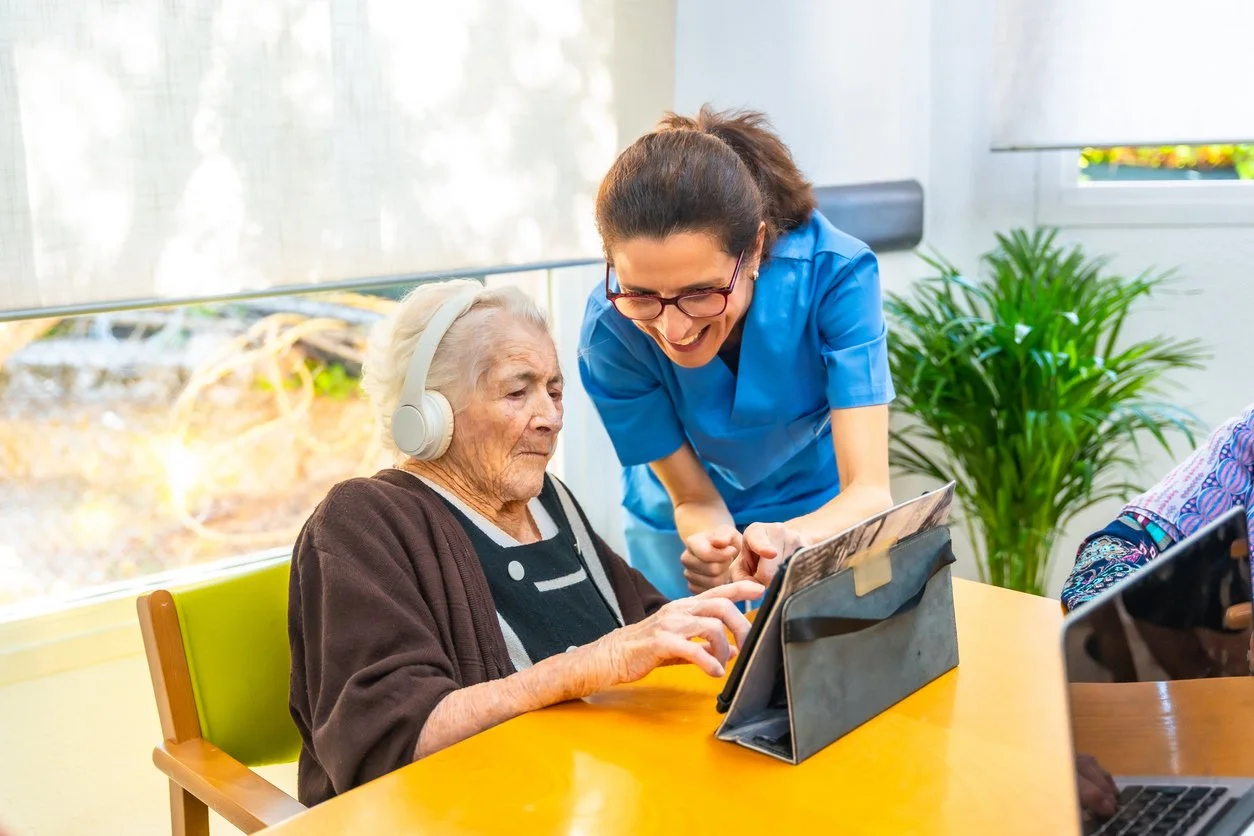
Communication and Alzheimer’s

Alzheimer's disease and other dementias gradually diminish a person's ability to communicate. Communication with a person with Alzheimer's requires patience, understanding and good listening skills. The strategies below can help both you and the person with dementia understand each other better.
Read the Article

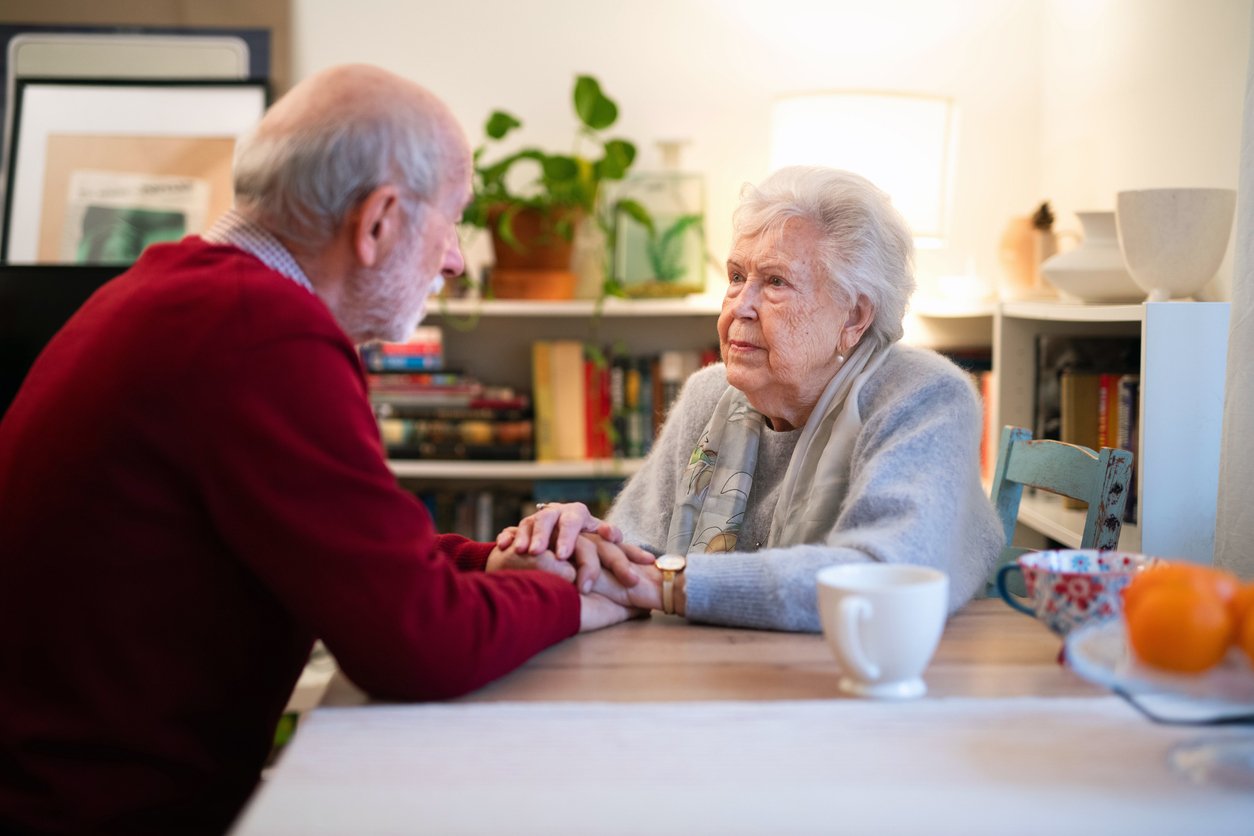
How to communicate with a person with dementia

Dementia affects everyone differently so it's important to communicate in a way that is right for the person. Listen carefully and think about what you're going to say and how you'll say it. You can also communicate meaningfully without using spoken words.

Everyone’s experience of dementia is unique, so not every tip may help the person you care for. Use the tips that you feel will improve communication between you.

Read the Article

Link to CEU Quiz

February 2026 Newsletter for Caregivers & Educators →

Better Care Through Understanding

NOTICE: The Certifications conferred by the NCBAC® (Certified Alzheimer Caregiver (CAC)® and Certified Alzheimer Educator® CAEd® are important indicators of quality care. The NCBAC® does not license, approve nor bestow authorization to anyone the right to practice healthcare where such license or certification is regulated by any state, municipality or other government entity.

© 2005-2025 National Certification Board for Alzheimer Care (NCBAC®)
South Bend, IN